
 Download PDF
In the heart of Eldorado Park, a community scarred by violence and fear, the reality of gangsterism echoes through its streets and homes. Women and children are not just bystanders; they are often the hidden victims, carrying the heavy burden of violence in their daily lives. For many, life is not only about school or work, but about survival, safety, and dignity. Families are being torn apart, and young lives are being lost.
Children miss school or take longer, safer routes to avoid gang territories. Many begin to trade their dreams for caution. The trauma of violence seeps into homes, often unspoken due to fear and stigma.
On 11 March 2026, the South African National Defence Force (SANDF) was deployed in Eldorado Park in response to ongoing gangsterism and gun violence. On that same day, a resident of Extension 1, one of the areas most affected by violence and drug activity, shared her experience.
Sumaiya Adams, a community activist, explained how the situation has directly affected her life. As a mother of two sons, aged 22 and 18, she described the emotional strain of raising children in such an environment. She said the violence has become far more than ordinary crime, affecting families at their core.
Due to safety concerns, she lives in the flats while her sons stay with their grandmother a few streets away. This separation is a direct result of the violence. She spoke about the stress of hearing gunshots, which occur regularly, and the fear that comes with it. Her sons cannot move freely and often avoid visiting her because of gang-controlled areas.
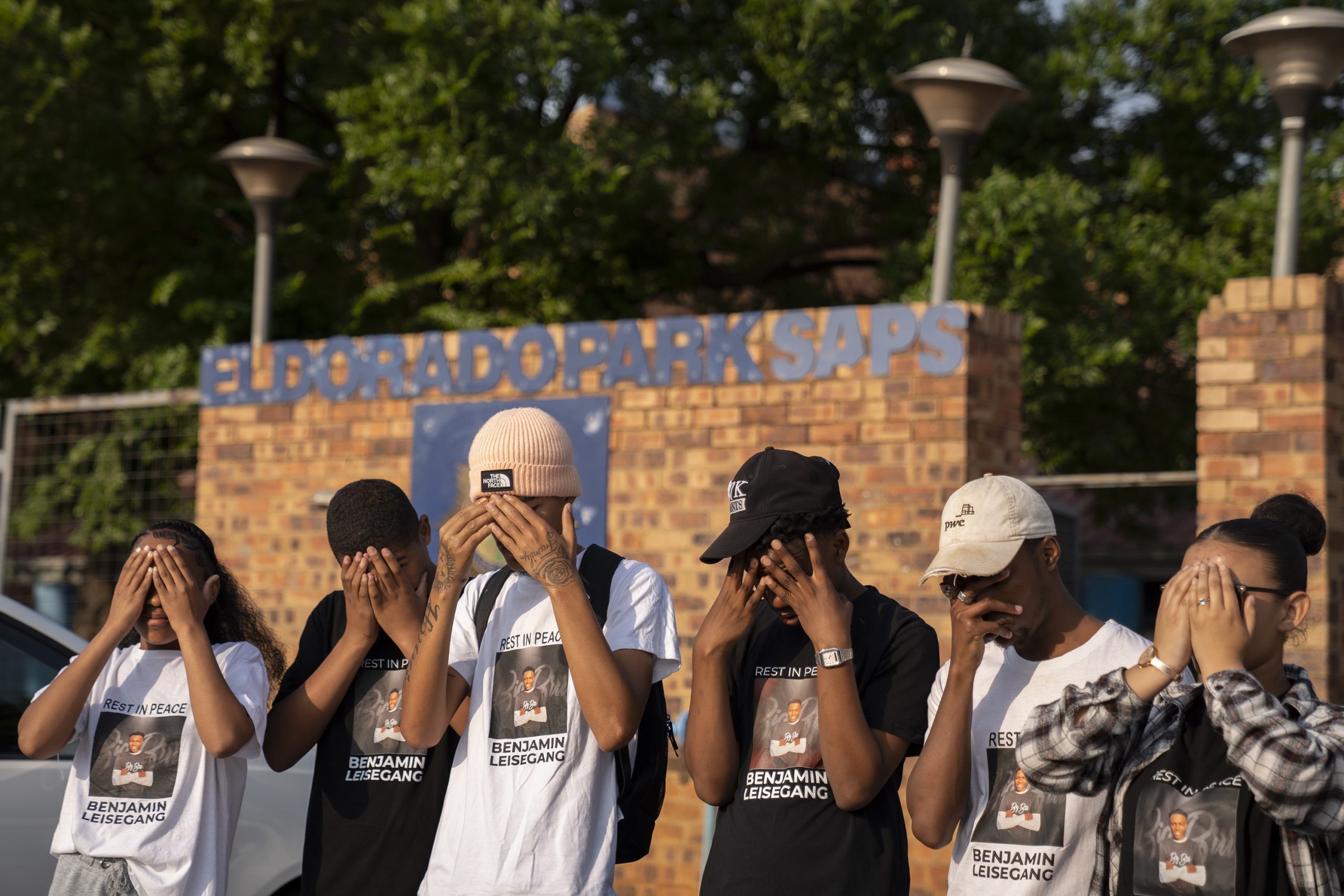
A similar story came from another resident in Extension 4, who chose to remain anonymous. She described the pain of losing her 23-year-old son, recalling how she found him lying in a pool of blood on the roadside. Her grief is compounded by the situation of her younger son, who has been unable to attend school in his final year due to gang territories. She said gangsterism has spread into schools and is now present everywhere.
She also expressed frustration with the justice system. Although the case is in court, she feels that justice has not been served. Speaking out, she said, is part of her healing, but she remains deeply concerned about her other son’s future without education.
Women in these communities often carry the burden of single parenting while managing trauma, and sometimes face isolation for speaking out. Children are exposed to violence early in life, leading to emotional distress, disrupted education, and limited opportunities. Communities themselves become restricted, as fear leads to isolation and weakens social and economic development.
The deployment of the SANDF has brought mixed reactions. Some residents welcomed it, hoping it would restore safety and stability. Others questioned its effectiveness and raised concerns about the lack of consultation with community organisations.
Many called for stronger action, including closing drug dens and confiscating illegal firearms. Others stressed the need for coordination between community organisations, rehabilitation centres, and law enforcement. There is also concern about whether the systems are in place to support these efforts.
While the deployment forms part of broader efforts to address crime, many residents believe lasting solutions must go beyond enforcement. They argue that the root causes of gangsterism, poverty, unemployment, and lack of opportunities, must be addressed.
Despite the challenges, Eldorado Park continues to show resilience. Community organisations and local leaders are working to respond to the crisis and support those affected.
Proposed solutions include creating safe spaces through sports programmes, mentorship initiatives for young people, and job training to improve employment opportunities. Counselling and support groups are also needed to help families cope with trauma.
Economic empowerment is key. Small business support, community development projects, and partnerships with local businesses could help create jobs and improve living conditions. Education and awareness programmes can also equip young people with life skills and strengthen community engagement.
Partnerships between communities, police, organisations, and government are essential to address gangsterism effectively and ensure long-term support.
Statistics show the seriousness of the issue in South Africa. In 2024, there were approximately 26,855 murders, translating to around 45 homicides per 100,000 people, with a daily average of about 69. The Western Cape remains heavily affected, with over 880 gang-related murders reported. Conviction rates remain low, at less than 10%.
These figures reflect a national crisis, but in Eldorado Park, gangsterism is a lived reality. Addressing it requires sustained efforts that combine safety measures with social support and economic opportunities. While the situation remains difficult, the resilience of the community offers hope for change.
This article was submitted on 15 March 2026. You may republish this article, so long as you credit the authors and Karibu! Online (www.Karibu.org.za), and do not change the text. Please include a link back to the original article.

