
 Download PDF
From 24 March to 1 April 2026, Khanya College conducted a Household Health Survey across Eldorado Park, Klipspruit, Kliptown and Slovo Park. The survey formed part of Khanya’s ongoing work to better understand the living conditions, health challenges and socio-economic realities facing working-class communities.
The survey aimed to gather first-hand information about people’s access to healthcare, the challenges they experience at public health facilities, how households are surviving economically, and the overall quality of life in their homes and communities. Most importantly, it sought to ensure that the voices and experiences of residents are documented and can inform future community organising, advocacy and interventions.
Preparing for the Survey
Preparation for the survey began well before the first questionnaire was completed. On 9 February 2026, Khanya staff started mapping the entire Eldorado Park area. Over three weeks, every housing type was identified and counted, including bonded houses, council houses, flats, backyard dwellings and informal settlements. This mapping exercise provided a clear picture of the area’s housing patterns and enabled the survey team to develop an effective sampling and implementation plan.
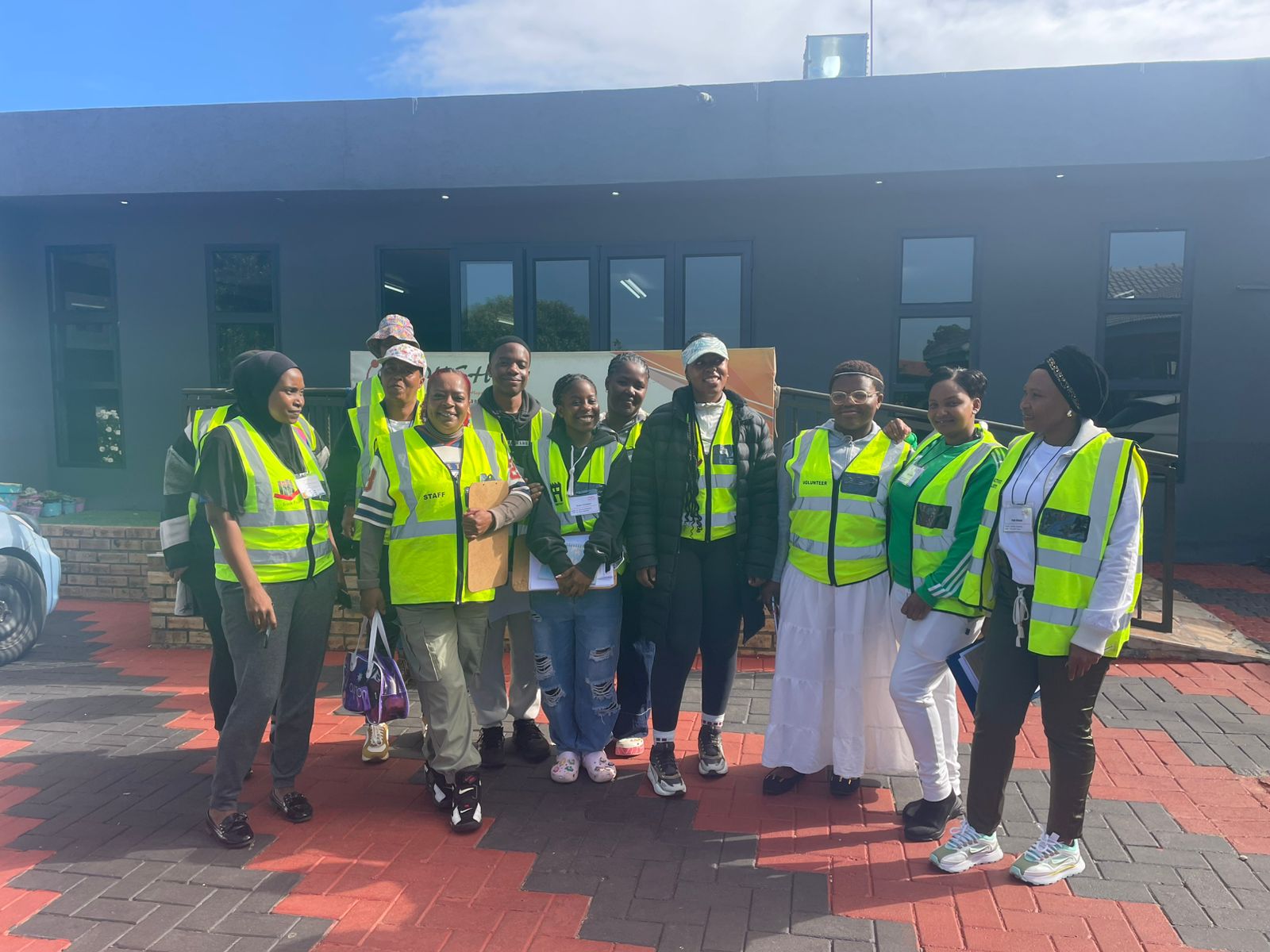
On 19 and 23 March 2026, fieldworkers gathered at PUSH in Eldorado Park Extension 7 for survey training. The training focused not only on the technical aspects of administering questionnaires but also on treating community members with dignity and respect, asking questions clearly, and recording responses accurately.
Recognising the security challenges within some communities, the Community Policing Forum (CPF) partnered with the project and developed its own operational plan to support the survey teams and help ensure their safety throughout the process.
Surveying Under Difficult Conditions
The survey officially commenced on 24 March 2026. Each morning, the survey teams met at PUSH Extension 7 to plan the day’s activities before moving into different sections of the community. At the end of every day, the teams returned to debrief, discuss their experiences, identify challenges and develop solutions for the following day.
Safety emerged as one of the biggest obstacles. Gangsterism and recurring incidents of gun violence disrupted the work in several areas. In one instance, fieldworkers entered Klipspruit Extension 1 to begin surveying households, but shortly afterwards gunshots were heard, forcing the team to withdraw before any interviews could take place. Language barriers also presented challenges in some parts of the survey area, occasionally slowing the process.
Despite these difficulties, the teams remained committed to completing the survey and ensuring that every section of the community was reached wherever possible.
What Residents Told Us
The survey highlighted significant differences in living conditions and healthcare experiences across communities.
In the informal settlements, residents openly shared the realities of living in poverty. Many spoke honestly about their health conditions, including HIV and other chronic illnesses. They described the daily struggle of living without adequate housing, proper sanitation and reliable access to running water. Economic hardship was a common theme, with many households relying primarily on social grants. Residents explained that food often does not last until the end of the month, forcing families to depend on relatives, neighbours and friends for support.
In the more middle-class areas, conversations around health were noticeably different. Many residents were reluctant to discuss their HIV status or personal health conditions. Most relied on private healthcare services rather than public clinics, meaning they were generally less affected by the challenges facing the public healthcare system.
Although the experiences differed across communities, one concern united almost everyone who participated in the survey: the urgent need to address gangsterism and gun violence, which continue to undermine safety, well-being and community life.
The Next Steps
After eight days of intensive fieldwork, the Household Health Survey was successfully completed on 1 April 2026. The survey teams had walked every street in the survey areas, speaking directly with residents and collecting valuable information about their lives and experiences.
Following the completion of the fieldwork, the questionnaires were counted and prepared for data capturing. The next phase of the project will involve analysing the findings, producing a comprehensive survey report and returning to the communities to present and discuss the results.
The Household Health Survey represents more than a research exercise. It reflects Khanya College’s commitment to working alongside communities, documenting their realities, and using evidence to strengthen organising, advocacy and campaigns for quality healthcare, improved living conditions and greater social justice.
This article was originally submitted on 7 March 2026 and updated in June 2026. You may republish this article, so long as you credit the authors and Karibu! Online (www.Karibu.org.za), and do not change the text. Please include a link back to the original article.

