
 Download PDF
When we speak about abuse in the home, we often focus on the person who is being abused and forget about the children who are watching everything happen. When a mother is being physically, emotionally or verbally abused by her partner, the child may not be the one receiving the abuse, but they are still affected by it.
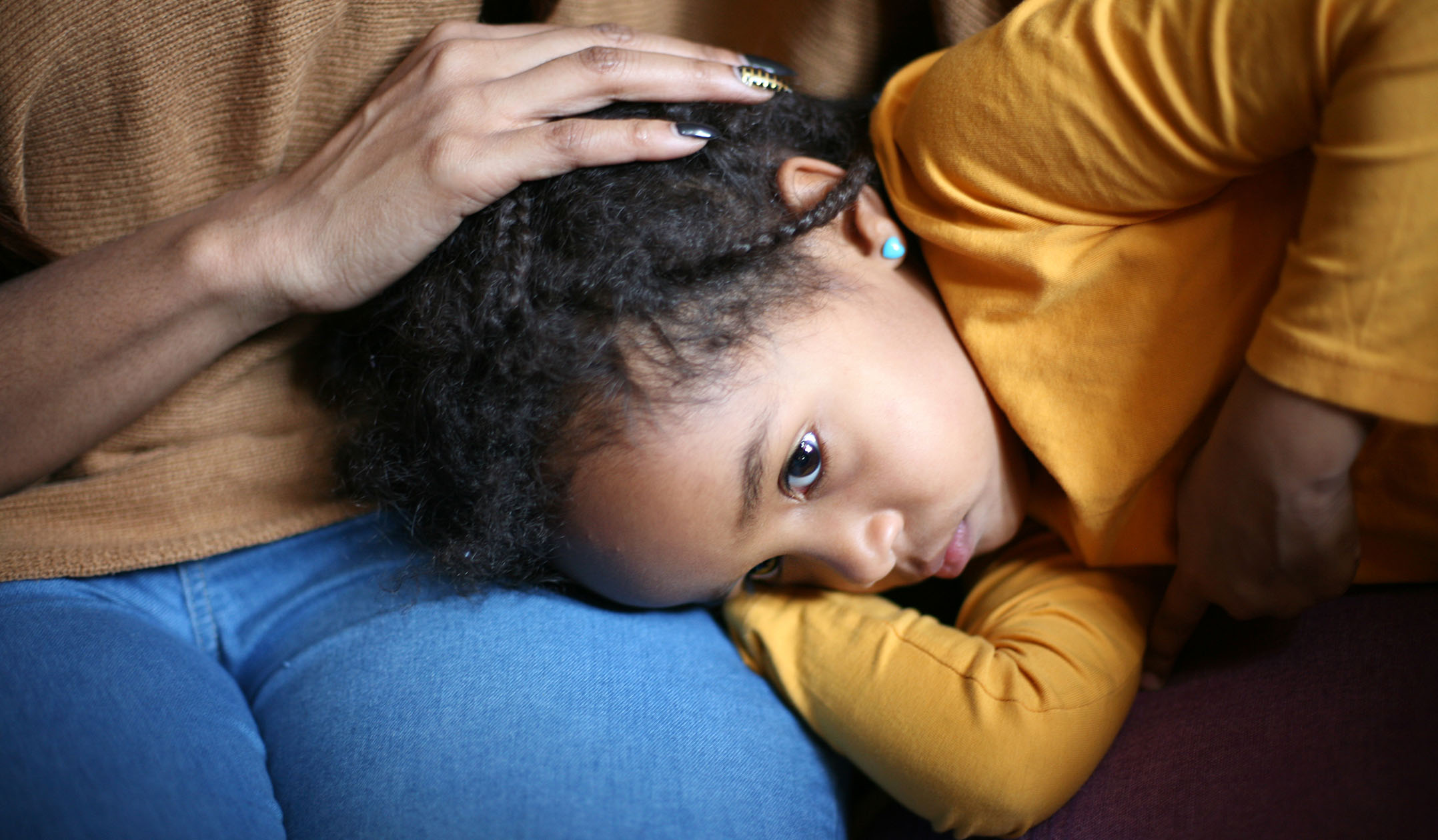
Children are exposed to things that they should not have to see at such a young age. A child can hear their parents fighting, see one parent being hurt or watch their mother cry and still be expected to wake up the next morning and continue with their normal life. But how can a child be normal when the place that is supposed to make them feel safe is filled with fear?
Sometimes parents do not realise how much children understand. Even when they do not say anything, they see what is happening. They notice when their mother is not herself. They notice when their father is angry. They hear the shouting and the arguments. They may even start changing their own behaviour because they are trying to avoid making the situation worse.
A child can start living in fear, always wondering when the next argument will happen or when their parent will be hurt again. Some children may become quiet and keep their feelings to themselves because they do not know how to process what they are seeing. Others may become angry or act out because they do not know how to deal with the emotions they are carrying.
What makes this even more difficult is that the person being abused may also be struggling to protect themselves. A parent who is experiencing abuse may be dealing with fear, financial dependence, emotional manipulation or the belief that they have to stay for the children. But sometimes staying in an abusive environment can also affect the children because they continue to witness the same cycle.
“Children learn about love and relationships from what they see at home. If a child constantly sees one parent hurting the other, they may start believing that this is what love looks like. They may grow up thinking that arguing, controlling someone or hurting someone is normal in a relationship,” said Valente Buys.
Many children exposed to violence in the home are also victims of physical abuse. Children who witness domestic violence or are victims of abuse themselves are at serious risk of long-term physical and mental health problems. Children who witness violence between parents may also be at greater risk of being violent in their future relationships.
If you are a parent who is experiencing abuse, it can be difficult to know how to protect your child, according to the Office on Women’s Health (OWH), in its article on the effects of domestic violence on children.
This does not mean that every child who witnesses abuse will become abusive or accept abuse in their own relationships. But the environment they grow up in can influence how they understand love, respect and communication.
We also need to understand that children can feel helpless in these situations. They may want to protect their mother but feel like they are too young or powerless to do anything. Imagine being a child and feeling like you have to protect your own parent. That is a responsibility no child should have to carry.
This is why domestic violence is not only an issue between two adults. When there are children in the home, they are also part of the environment that is being affected. The effects may not always be visible, but the child can carry what they witnessed for many years.
As a community, we need to stop looking at abuse as something that only affects the person being abused. We need to ask ourselves what the children are seeing, what they are feeling and what they are learning from the environment around them.
A child deserves to grow up seeing love that is safe, respectful and peaceful. When we protect a parent from abuse, we are also protecting the child who is watching.
This article is an opinion piece submitted on 25 August 2026. The views expressed by the author do not necessarily reflect those of Karibu! Online or Khanya College. You may republish this article, so long as you credit the authors and Karibu! Online (www.Karibu.org.za), and do not change the text. Please include a link back to the original article.

