
 Download PDF
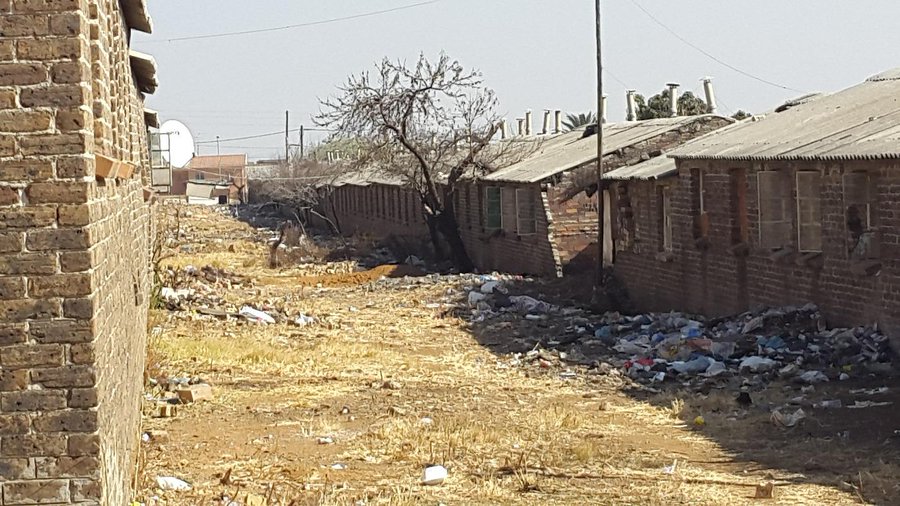
The Diepkloof Hostel, although a design of apartheid, was once a place of community and shelter for men, now having integrated women, is teetering on the edge of collapse — not from time, but from the deep neglect and systemic failures its residents endure daily. What should be a place of safety and dignity has become a site of growing despair.
When stories began circulating that the City was selling off the hostel to an unnamed person instead of the residents, the sense of betrayal was too great to ignore. There had been no consultation, no warning, no transparency. It felt like erasure for the residents who have lived and raised families at the Diepkloof hostel for years. In response, they took to the streets, not just to protest the sale, but to cry out against the deeper rot: rising unemployment, crumbling infrastructure, the lack of water, working toilets, and decent housing.
The protest turned tragic. A truck lost control and crashed through the hostel community, killing two people on the spot and critically injuring another. The impact knocked out electricity across the entire hostel, leaving residents in darkness. Amid the chaos, some turned to looting. Trucks carrying food were raided, not out of greed, but hunger and desperation. It wasn’t long before SAPS officers were conducting door-to-door searches to recover stolen goods. But what was taken cannot compare to what has long been denied: dignity, security, and hope.
Crime thrives in the hostel on account of a failed leadership and broken services. In Diepkloof hostel, that crime has become a shadow that looms large over every daily decision. Young children, barely into their teens, have turned to mugging and even murder. All for phones, for a few Rand, for survival.
Women like Nomsa Vilakazi, who was once mugged at gunpoint, now rush home before sunset, praying each day not to become victims. Workers like Thandeka Sikhakhane, who must leave home while it is still dark, en route to work, must dodge potential robbers on the way to a taxi.
Even those without jobs live in fear, not just of crime, but of losing the little they have. A few coins meant for transport to job interviews might disappear in a mugging, stealing not just money, but opportunity. Residents don’t turn to the police because many believe the police protect the criminals. Arrests are a brief time away, today’s suspect is tomorrow’s threat.
Then there’s the matter of stolen cars dumped in the hostel, framing local youth and further deepening the mistrust between residents and law enforcement. Residents feel that it’s not just a matter of perception; it’s a lived reality of abandonment and scapegoating.
At its core, Diepkloof hostel is not just battling poverty or crime, it’s fighting for recognition and redevelopment. It’s asking to be seen as a community, one with needs, voices, and the right to live with dignity. The current conditions reflect a much bigger failure, one where leaders have forgotten the people and where silence has replaced service.
Until that changes, the protests will continue, maybe not always on the streets, but certainly in the hearts and voices of those still calling this place home.
This article was submitted on 19 April 2025. You may republish this article, so long as you credit the authors and Karibu! Online (www.Karibu.org.za), and do not change the text. Please include a link back to the original article.

