
 Download PDF
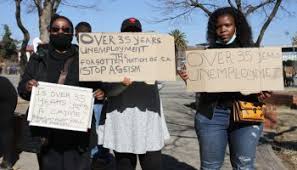
Unemployment is a serious and painful reality in many of our communities. It affects people mentally, emotionally, and socially. Women, particularly single mothers, are especially vulnerable to this condition. In the usual run of things, it makes it difficult for such women to leave abusive relationships, should they be involved in them. The high rate of joblessness drives many individuals to the point where they feel hopeless, frustrated, and overwhelmed.
When a person cannot provide for themselves or their families, they could end up turning to harmful behaviours such as drug abuse, alcohol misuse, or other dangerous activities. Stress becomes a constant companion, and if not managed, it can lead to severe illnesses such as depression, anxiety, and even strokes.
The pressure of being unemployed often leads to emotional instability. For many, the fear of being judged or looked down upon in the community and this becomes unbearable. Peer pressure, shame, and the need to maintain appearances can damage a person’s mental health deeply. This can be seen in the story of a young woman named Nonhlanhla. She was
unemployed and raising two children as a single mother.
She enjoyed living a fashionable life and had a friend who afforded the lifestyle she admired. Instead of support, her friend became jealous and spread lies around the community, claiming that Nonhlanhla was selling her body to survive.
The rumours destroyed her emotionally. She started isolating herself, locking herself in her room, because she feared facing the community. Her mental state worsened,
and she turned to drugs. Eventually, she left home and ended up living on the streets with the wrong crowd. Once a beautiful, confident young woman, she became unrecognisable, physically and emotionally drained. Tragically, her life ended when her new so-called friends killed her. Her downfall was deeply rooted in the hopelessness brought by unemployment, stigma, and emotional suffering.
Unemployment continues to be one of the biggest contributors to mental health struggles among young people in South Africa. Many youths, unable to secure work, fall into depression or become drug-dependent because they feel trapped, unable to meet responsibilities, and pressured by society’s expectations. Some turn to risky behaviour, including selling their bodies, just to survive. Clinics are filled with young people on chronic medication for depression, bipolar disorder, and anxiety, conditions often triggered or worsened by unemployment.
Drug abuse has also become a coping mechanism. Young people smoke or sell drugs to escape reality or earn quick money, yet they are paid very little and remain trapped in cycles of poverty. Many feel abandoned by the government, believing that instead of helping them, authorities benefit from their suffering. Some even suspect links between officials and drug networks, especially when they see how easily drugs flow in their communities. Clubs, alcohol, and substance misuse have become the default escape for many young people who feel they have no future.
According to recent statistics, South Africa’s official unemployment rate decreased to 31.9% in the third quarter of 2025, down from 33.2% in the previous quarter.
However, gender gaps remain wide. Women face an unemployment rate of 35.9%, and Black African women experience the highest rate of all. Although statistics claim a decrease, many people on the ground feel the opposite. Retrenchments are rising, fewer jobs are being created, and clinics are seeing more young people battling mental health conditions linked to joblessness.
Unemployment can be reduced by investing in more skills development programmes, job-creation initiatives, and community empowerment projects. If young people gain skills and opportunities, queues at clinics would decrease, drug abuse rates would lower, and mental health would improve across communities.
Another story that reflects the emotional destruction unemployment causes is that of Jabu, a man in my neighbourhood. He has been struggling with joblessness for a long time, and the pressure has become unbearable.
On 12 November 2025, a serious incident of domestic violence occurred in his home. His neighbour, Aunty Betty, heard him crying late at night and became concerned. Jabu’s wife, Mary, had grown frustrated with their situation. With five children under the age of ten and no stable income coming in, their home had become a place of constant conflict. There was often no porridge for breakfast, no lunch for school, and no hope for improvement.
Jabu confided in Aunty Betty that Mary regularly threw objects at him out of anger and frustration. On the night of 12 November, at about 22:00, Mary entered the bedroom and poured boiling water on him as he slept. She even turned their children against him. When Jabu reported the abuse at the police station, the captain mocked him, telling him that “real men don’t cry.”
This harmful response shows how unemployment not only damages mental health but also leads to further emotional, physical, and societal harm, while victims, especially men, often receive no support or protection.
Unemployment is not only about the absence of work; it is about the breakdown of families, self-esteem, mental well-being, and community stability. It destroys dreams, creates hostility, and pushes people into dangerous environments. To heal our communities, we must begin by addressing the root causes, poverty, lack of access to opportunities, and limited support systems. Only then can we prevent the emotional and psychological tragedies that unemployment leaves in its wake.
This article is an amalgam of various submissions by FAJs around Gauteng. The various articles were submitted in mid-November 2025. You may republish this article, so long as you credit the authors and Karibu! Online (www.Karibu.org.za), and do not change the text. Please include a link back to the original article.


