
 Download PDF
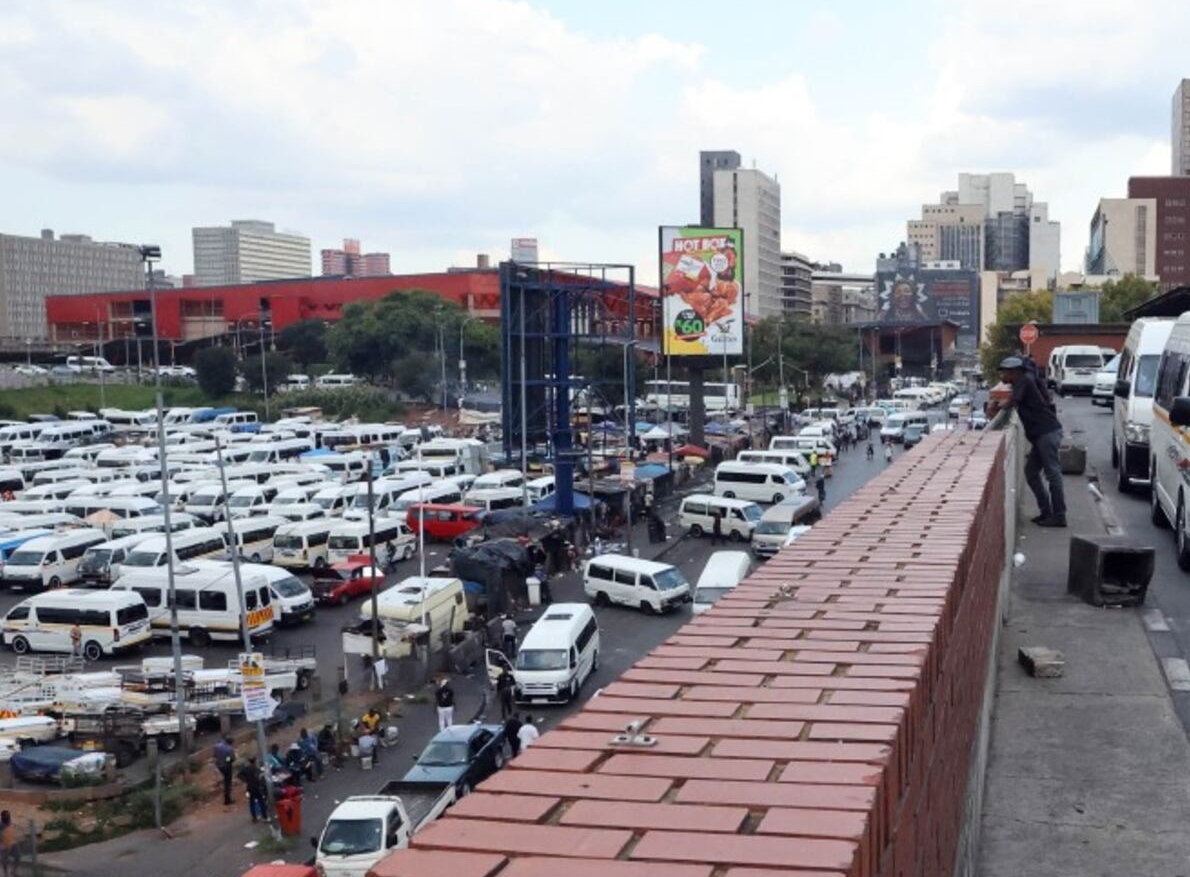
The Iran conflict is not just on television; it is now linked to local taxi fare and bread price increases, affecting the general public’s abilities to get to work, school, or the clinic.
Iran borders the Strait of Hormuz, where 20% of the world’s oil ships pass, therefore when fighting flares up, global oil prices spike because traders fear supply cuts and conflicts make investors nervous, and since South Africa (SA) buys oil in dollars, a weaker rand means we pay more per litre.
Based on research, until the world is less dependent on the Middle East’s oil supply, or South Africa shields commuters better, geopolitical fights will keep hitting the poorest first, one litre at a time.
South Africa’s petrol price is set monthly and it is based on Brent Crude Oil and Rand to Dollar exchange rate, shipping costs. All these have been hit since tensions rose, and has resulted in drastic decisions being made, such as petrol prices going up with taxi fare and food delivery truck prices being affected too which now have an impact on food prices due to the inflation rates.
Yes, the conflict in Iran may be thousands of kilometres away, but for everyday South Africans the impact is just a taxi fare ride to town and a few empty food cupboards and fridges.
Local commuters say the latest fuel prices have pushed fares up, and with food prices climbing, families are being forced to choose between transport and groceries. The standards of living are really getting harder, and people are constantly caught in the middle of an unfair system, politically and economically, even though they might try to improve and create a better life for themselves.
Merriam September (43), a domestic worker who travels from Eldorado Park to Mondeor daily, says, “It’s a war out there, but we are the ones bleeding. My fare was R18 in January, now it’s R24 – that’s extra money every month; that is my child’s school shoes.”
Pensioners are complaining that they are unable to take taxis due to local fares now being R15. They now walk with sore knees and arrive late at the local clinic that always has challenges of long waiting hours.
Shoppers turn back home with half-empty grocery bags, they are used to this because of not being able to afford a small bag of maize meal that now cost R63, oil is now R58 for a two-litre bottle; residents are cutting back.
Taxi drivers are being sworn at and treated badly by passengers and so it goes vice versa, people cannot stand each other due to a war far away affecting everyone. While the Iran conflict is out of control, how people treat each other is important because drivers are not the enemy. Everyone tries to feed their families, commuters are not a problem and parents are trying to stretch every rand.
South Africa has survived harder times by looking out for one another. This is a time of dignity and understanding – that yes, everyone has the right to get to work or school or anywhere else without the fear of being stranded.
Iran will settle, oil prices will drop but the question for South Africans remains: How do people build a transport that does not break everytime the world shakes? Until that day, all communities must do what it has always done; make a plan and make it work together and united.
This article was submitted on 20 May 2026. You may republish this article, so long as you credit the authors and Karibu! Online (www.Karibu.org.za), and do not change the text. Please include a link back to the original article.

