 Download PDF
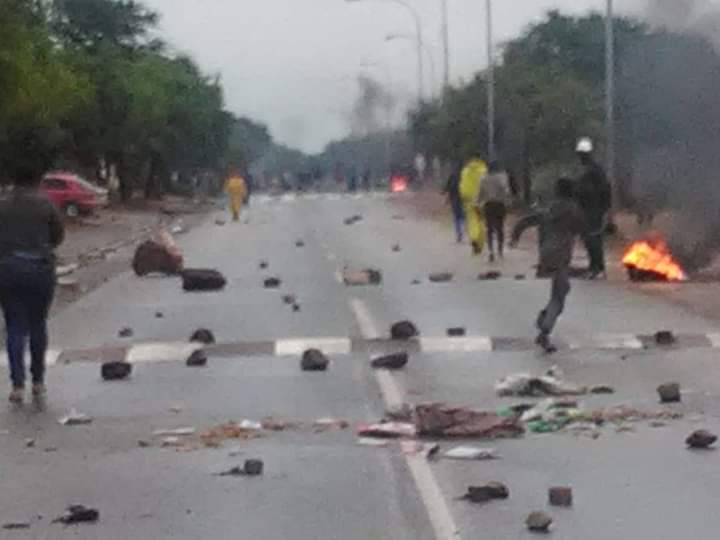
The chronic shortage of police personnel is leaving communities like Bronville and Hani Park increasingly vulnerable, with delays in case resolutions and backlogs undermining public trust in the South African Police Service (SAPS).
With only four to six police officers covering night shifts for a population of between 16,000 and 20,000 people, crime rates, particularly those related to drugs and alcohol, are on the rise. The lack of resources and manpower is severely limiting the police’s ability to patrol effectively and protect residents.
The situation has become even more alarming as criminals target essential community facilities. The Bronville Clinic was recently vandalised, with equipment, tablets, computers, and even door handles stolen, rendering the clinic barely functional. Even the local police station has fallen victim to theft, exposing just how vulnerable law enforcement itself has become.
South Africa has approximately 1,154 police stations nationwide. The government’s recent recruitment drive, which aims to enlist 5,500 new police candidates, would amount to only about four or five additional officers per station, a number far too small to make a meaningful difference in communities like Bronville and Hani Park.
Residents say the shortage of operational vehicles is also crippling police work. With only three to five functioning vans serving the entire population, officers struggle to respond promptly to crimes. In many cases, residents must wait hours for assistance, giving criminals time to flee and evade justice.
One resident described waiting two to three hours at the police station before being assisted. Only one officer was on duty at the front desk, juggling multiple responsibilities, opening cases, processing documents, and providing affidavits, while the other three officers were out on patrol. The community, understandably, feels neglected and frustrated.
When the resident raised the issue with the station commander, the response was blunt:
“There’s nothing I can do because we are short-staffed. There are fewer officers working night shifts.”
This statement captures the stark reality of the crisis facing SAPS and the communities it serves. Without immediate intervention, the safety and trust of residents will continue to erode.
The government, particularly the Minister of Police, has been criticised for failing to address this worsening shortage. The lack of personnel, vehicles, and infrastructure is directly affecting community safety. Urgent and concrete action is needed: more officers, improved facilities, and sufficient operational resources must be provided to ensure that police can fulfil their duty to serve and protect.
Community leaders have also spoken out. Mr Mojalefa Motsamai explained that the problem extends beyond staffing levels. The Bronville police station itself is too small and in need of renovation or expansion to accommodate more officers and essential facilities, such as holding cells. He emphasised that a larger, better-equipped station would be a crucial first step in improving service delivery and boosting police capacity.
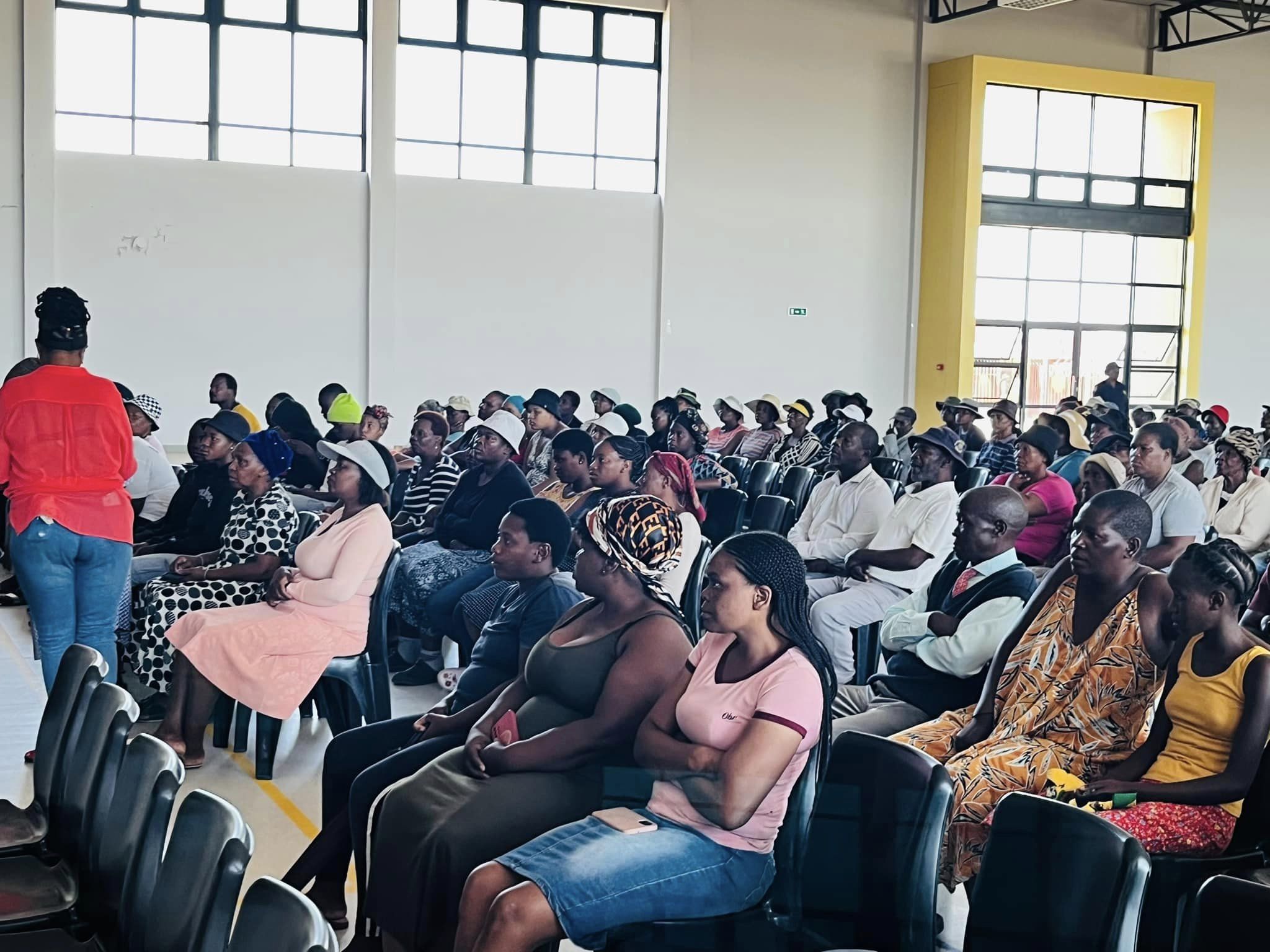
Meanwhile, Mr Katleho Kapu, a member of the Community Policing Forum (CPF), stressed that while manpower remains the biggest challenge, community members are doing what they can.
“We’re trying our best to support the police by volunteering for night patrols and acting as a neighbourhood watch. We’re also organising meetings to bring the police and community together to find solutions. The manpower issue isn’t something the local officers can fix; it has to come from higher up. In the meantime, we must protect ourselves and our neighbourhood as best we can.”
The crisis in Bronville and Hani Park reflects a broader national challenge. Without immediate government intervention, communities will continue to bear the brunt of an overstretched and under-resourced police service.
This article was submitted on 02 November 2025. You may republish this article, so long as you credit the authors and Karibu! Online (www.Karibu.org.za), and do not change the text. Please include a link back to the original article.