
 Download PDF
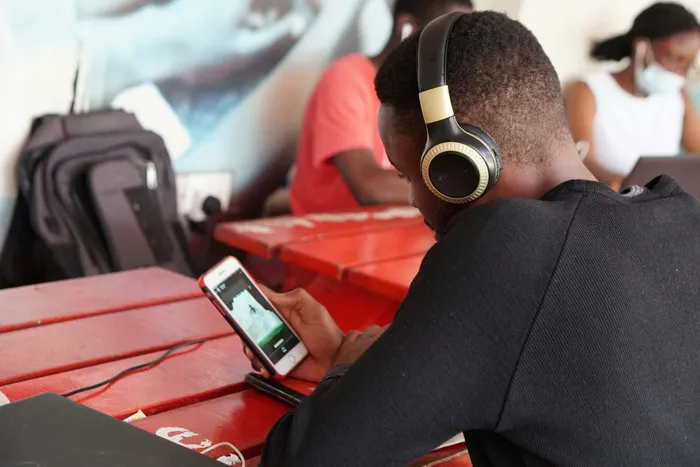
The world we live in today is digital, and many things have changed. The world is continually transforming, and the media has become an important part of our daily lives. Social media platforms have changed the way we see ourselves, communicate, share information, and also connect with family or friends who are far away from us, and with children involved, there are no exceptions.
Media presence has been growing significantly in children’s lives, and because of that, there are many concerns about their mental health and their relationships with their parents, friends, or society, since they are stimulated by the algorithms of social media. Children who are stimulated by social media algorithms tend to be vulnerable to negative impacts because each time they see perfect pictures and messages, they want to fit in, and if they do not, they begin to instill bad ideas in their minds. Sometimes they get bullied or feel left out, and that leads them to depression, stress, and anxiety, which then leads them to thinking they are not good enough. This sometimes leads most teenagers into making bad choices like committing suicide or resorting to drugs.
Portia Gwala, aged 62, is a resident of Swaneville, Kagiso. Gwala says that during their time, they were not exposed to too much media, and that made it hard for them to access information or be in contact with people who were far from them. Gwala says that today’s generation is blessed because they are now introduced to more media, and being exposed to it has made their lives much easier since they are able to do their research through phones without reading too many newspapers or books. Gwala continues to say that they can even get to know what is happening around the world while they are sitting at home or anywhere else, when they just buy data and open their phones or laptops, and also by watching TV.
Minehle Hlatshwayo, aged 17, is a resident of Swaneville, Kagiso. Hlatshwayo says that she was a former addict of social media, and now she is trying to recover from that. Hlatshwayo says that since she was 10 years old, she was always on her phone and isolated herself from her family and friends, and when she turned 14, she was introduced to nudity content and the “soft life” lifestyle, and that made her want to fit into the world by doing the same things she saw on media. Since she realised that she could not fit in and that the media lifestyle demanded a lot, she then thought that suicide was going to be the solution, so she tried to do it, but she survived, and now she is recovering.
Ever since that incident involving the media and suicide, she decided to use phones for research and school work and also transformed her life for the better. Hlatshwayo leaves a message to children mostly her age, saying that they should use media to do research and learn a few educational things, then spend the rest of their time doing other activities, especially if they are less than 18, because media has the power to destroy you if you do not use it carefully.
Angie Mabota, aged 32, is a resident of Swaneville, Kagiso. Mabota says that social media is both good and bad, but she would like to speak mostly about the bad side because it has also affected her children’s perspective. Mabota says that she has a daughter who is around 15 years old and is always on her phone. Mabota says that she raised her child to be confident, but ever since she was introduced to the media, her confidence and self-esteem have been low, and she is always depressed and isolated. Mabota continues to say that her daughter is chubby and was always proud of her body, but things changed the moment she saw negative comments about chubby girls, mostly about teenagers, on media. That made her never feel good about herself; instead, she is now always talking about taking medication to lose weight.
Since we are living in a world where likes, comments, and followers have become the currency of childhood, the true cost is only beginning to reveal itself. Cyberbullying, body shaming issues, and sleep disturbances are hidden prices that children pay for excessive use of social media. So, as parents or caregivers, it is high time you ask: Are you equipping your children for a digital world at the expense of their childhood, or are you trading childhood innocence for validation? And lastly, what can you do to protect them?
This article is an opinion piece submitted on 18 February 2026. The views expressed by the author do not necessarily reflect those of Karibu! Online or Khanya College. You may republish this article, so long as you credit the authors and Karibu! Online (www.Karibu.org.za), and do not change the text. Please include a link back to the original article.

