
 Download PDF
Molestation is a violation that leaves scars deeper than the eye can see. It is often hidden in silence, buried under fear of judgment, criticism, and shame. Molestation is when someone touches or speaks to you in ways you do not consent to. It cuts across age, gender, and background, leaving survivors with wounds that echo through their lives.
Survivors often carry shame, guilt, and self-blame. Many struggle with anxiety and depression, which affect their relationships, their work, and their sense of self. Some turn to substances or self-destructive behaviours in an attempt to cope. The silence becomes another prison.
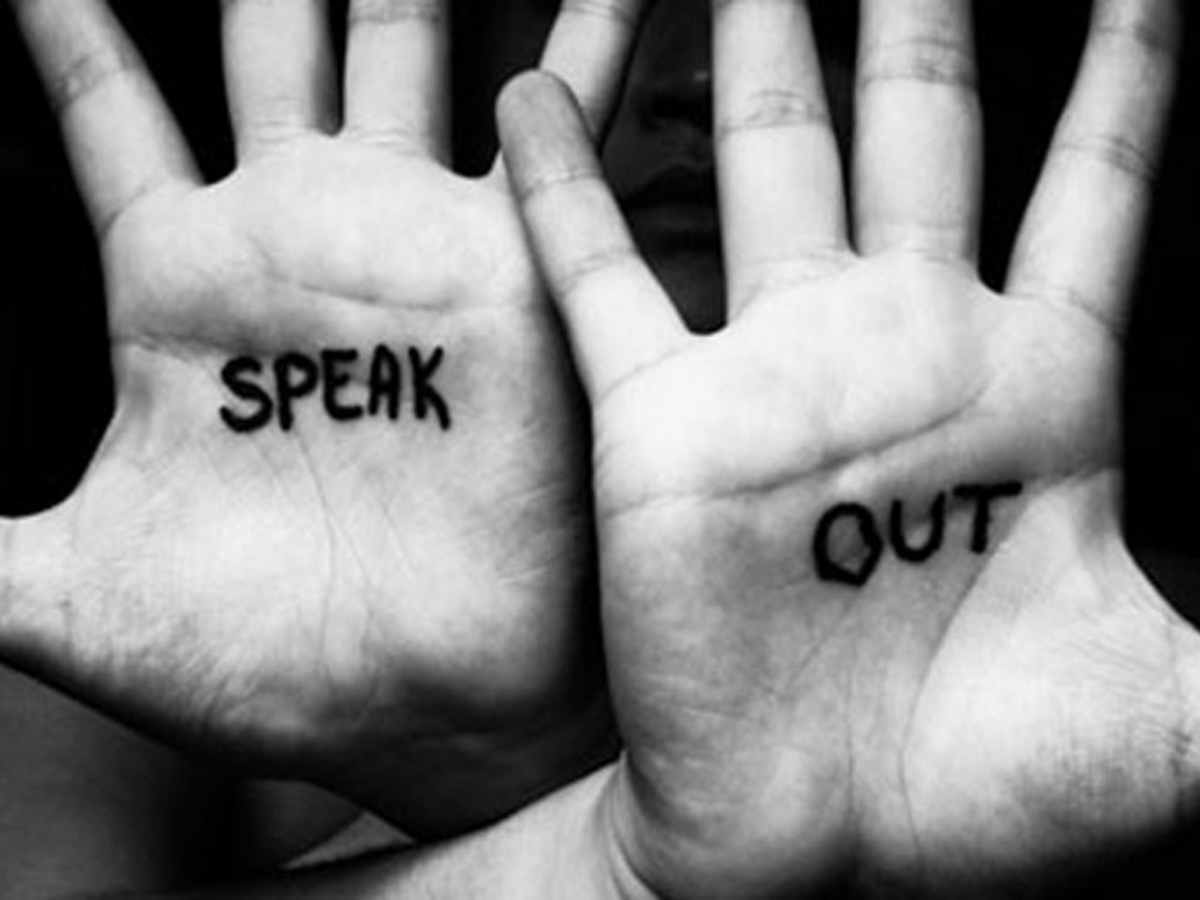
Nkateko Mkhayela, 32, from Swaneville, shares her story. Abused by a family member from adolescence into her teenage years, she lived in fear, threatened into silence. “I cried every time it happened. I hated myself and the perpetrator,” she says. Her message to young girls: Speak out. Silence will only harm you. Healing begins when you use your voice.
Pontso Chauke, 28, also from Swaneville, calls molestation a pandemic spreading through society. “It starts early, even in schools. Children molest each other, teachers exploit pupils for marks. At home, fathers, brothers, uncle’s prey on the vulnerable. These acts escalate into rape.” Chauke’s words remind us that molestation is not isolated—it is systemic, woven into spaces meant to be safe.
Keletso Tau, 43, a mother, fears for her daughter in the workplace. “Those in power abuse authority, promising promotions in exchange for submission. It is exploitation, forcing people to sell their souls for temporary gains.” Tau adds that molestation is rooted in cultural norms and behaviours, often ignored or even tolerated within families. “Some victims lose their lives resisting. Others are broken trying to fight back.”
The voices of Mkhayela, Chauke, and Tau carry one truth: molestation thrives in silence. But silence can be broken. Survivors are not alone. They are not to blame. Their voices hold power.
To every survivor: your story does not end in pain. It begins in healing, strength, and freedom. Speak out. Rise above shame and fear. Together, as one, we can fight this pandemic, protect the vulnerable, and reclaim dignity.
Your voice is your weapon. Use it.
This article is an opinion piece submitted on 20 February 2026. The views expressed by the author do not necessarily reflect those of Karibu! Online or Khanya College. You may republish this article, so long as you credit the authors and Karibu! Online (www.Karibu.org.za), and do not change the text. Please include a link back to the original article.


