
 Download PDF
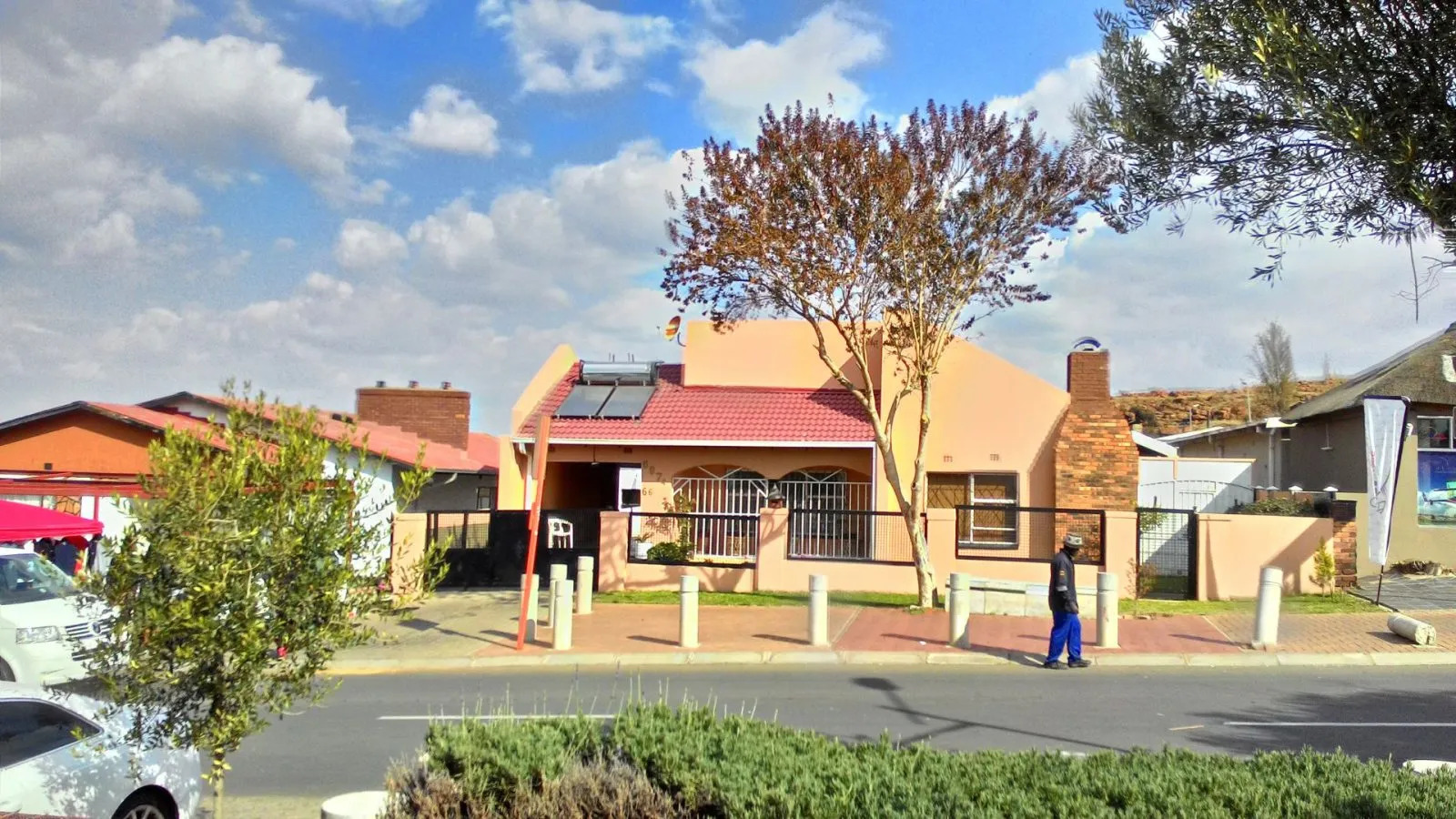
The hallmark of “greening” in South Africa has long been the sight of purple jacarandas lining suburban streets. Yet, in stark contrast, many township roads remain bare, their pavements devoid of the shade and beauty that trees bring.
Trees are far more than just decoration, they absorb carbon dioxide and other pollutants, improving air quality and making our cities more breathable. They also act as natural sound barriers, softening the constant hum of traffic and other urban noise. If Soweto were to plant more trees, the area could become greener, healthier, and more vibrant. Trees would clean the air, cool the streets, improve water quality, and provide much-needed shade, all of which would enhance the quality of life for residents.
More green spaces would also open up opportunities for recreation and community gatherings, while local economies could benefit through tourism and small businesses linked to these spaces. However, it’s important to plant the right trees in the right places. Poor tree selection or careless planting can cause problems, from falling branches and pollen allergies to the spread of invasive pests that threaten indigenous species. The costs of planting and maintaining trees, which may include using specialised equipment and fuel, can also offset the environmental gains if not carefully managed.
Little research has been done on urban tree-planting projects in African townships. Yet, Soweto, one of the largest townships in the world, has seen residents take initiative by creating home gardens, some of which include fruit trees. Community efforts such as the Let’s Make Soweto Greener campaign have also taken root, showing that people want a more liveable environment. Places like Fruity Park are calling for more trees to strengthen these local green networks.
Creating sustainable tree-planting projects that last is not without its challenges. Political pressures, limited funding, and the need for quick results often mean that long-term maintenance and community involvement are overlooked. Still, Soweto already has spaces that show what is possible.
The Oppenheimer Gardens, for instance, showcase a rocky landscape with a mix of indigenous trees and plants used by traditional healers. Thokoza Park remains a community favourite, with its open lawns, fountain, and dam offering a space for leisure and relaxation. In Naledi, the strawberry farm allows visitors to experience fruit picking, a rare but welcome example of community-based green tourism.
Research has shown that time spent in nature reduces stress and boosts both mental and physical well-being. “Green spaces created by trees give us places to relax, exercise, and connect with nature,” says Siyabonga Dlamini, a 25-year-old resident of Orlando West. “A greener Soweto could attract more tourists, support local businesses, and create jobs. As a historical place, it deserves to be maintained, not neglected and turned into a dumping site.”
Indeed, greening Soweto is not just a local issue, it’s a national one. Building a cleaner, greener South Africa will take unity, care, and consistent effort. With communities leading the way, supported by government and local partners, Soweto can once again become a symbol of transformation, this time, through trees.
This article was submitted on 10 June 2025. You may republish this article, so long as you credit the authors and Karibu! Online (www.Karibu.org.za), and do not change the text. Please include a link back to the original article.


