
 Download PDF
Public spaces are open and accessible to the general public without profit being gained. Often owned and managed by government entities or public authorities, these areas are essential in shaping the character and quality of life in our communities. They include stations, seaports, parks, gardens, beaches, public squares, libraries, museums, community halls, and so forth.
In the Welkom Bronville community, we have various spaces available to the public, such as our parks, community halls, swimming pool, and library. These are often used by the public free of charge.
Our vandalised and stolen infrastructure in parks prevents us from having a safe and enjoyable experience.
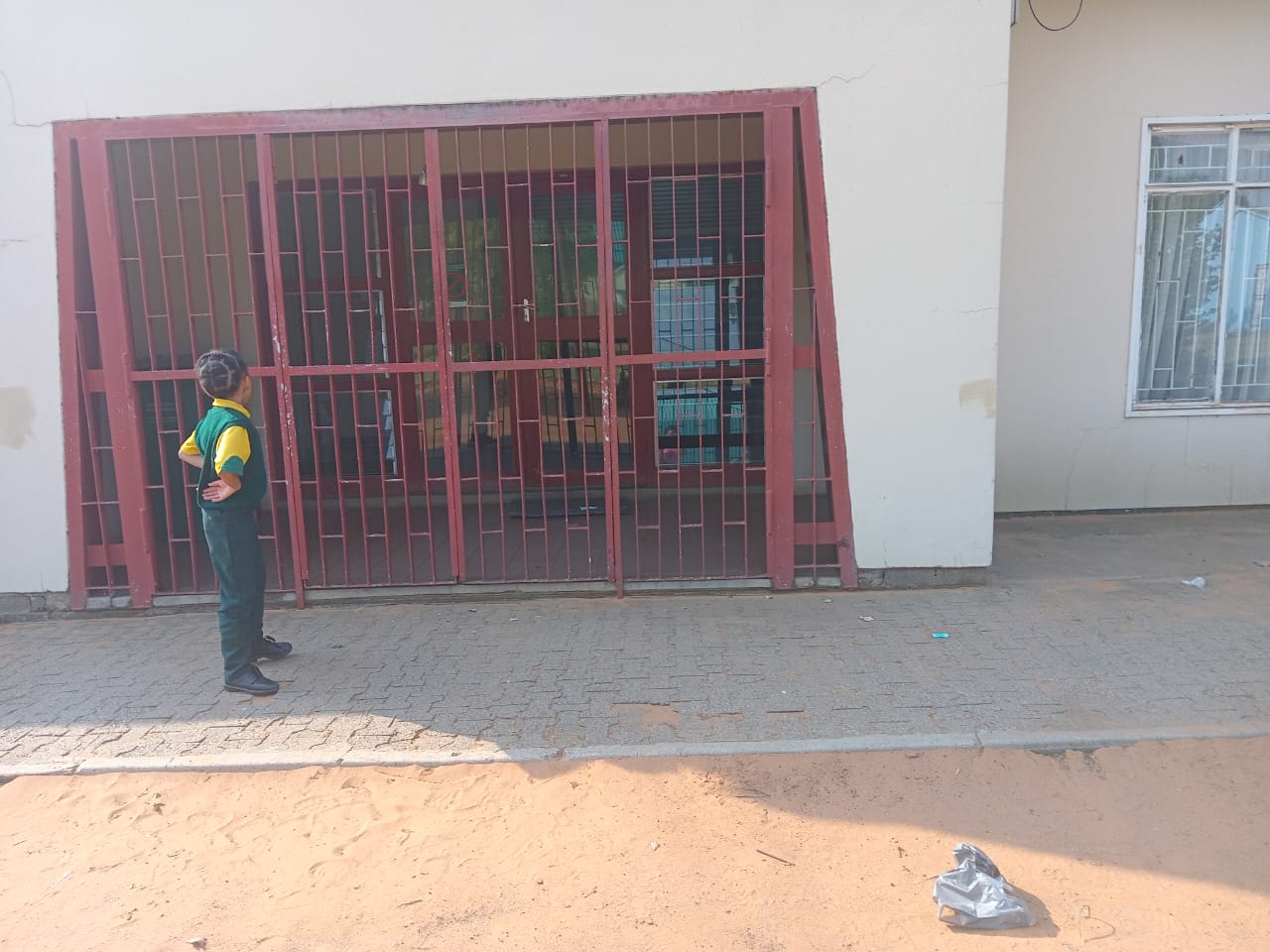
The community library is expected to open at 8am and close at 4pm, but the gate has been locked since June 2025, with a notice stating, “We apologise to inform you that our scanning, printing, and photocopy machines are out of service.” “Even when they do open, they close before we come out of school, so we go to the library in town,” says Chelsea Sieberts, a Grade 9 learner at the local high school.
Social Development, with the help of New Bronville, held support groups for substance abuse victims at the community hall. “The mayor wrote a letter indicating that all community halls of Matjhabeng should not be used for free as they are busy with an administrative overhaul. So, as New Bronville and Social Development, a letter was written to the mayor’s office to ask if we can use the hall. The letter was sent last week,” says Clayton Wadrif, general secretary of the New Bronville NPO.
The protection of public spaces is crucial to ensure they remain accessible, safe, and beneficial for all community members. We must hold our leaders accountable for prioritising public interests over profit-driven agendas and address issues such as vandalism, inadequate library hours, and limited resources. By working together, we can protect and preserve our public spaces, promoting a healthier, more inclusive, and vibrant community for everyone.
This article is an opinion piece submitted on 11 September 2025. The views expressed by the author do not necessarily reflect those of Karibu! Online or Khanya College. You may republish this article, so long as you credit the authors and Karibu! Online (www.Karibu.org.za), and do not change the text. Please include a link back to the original article.


