
 Download PDF
On Friday, 13 February 2026, thousands of scholar transport drivers and owners gathered at Mary Fitzgerald Square to protest vehicle impounding, the expensive permits, and the bureaucratic process of proper documentation. The drivers marched to raise concerns about what they say is unfair treatment by the Department of Transport.
The operators claim that many of their vehicles are being impounded, even when they have the correct documents. They say that after the vehicles are taken, they are told to pay up to R5 000 to get them back. According to one of the drivers, this is putting serious financial pressure on them.
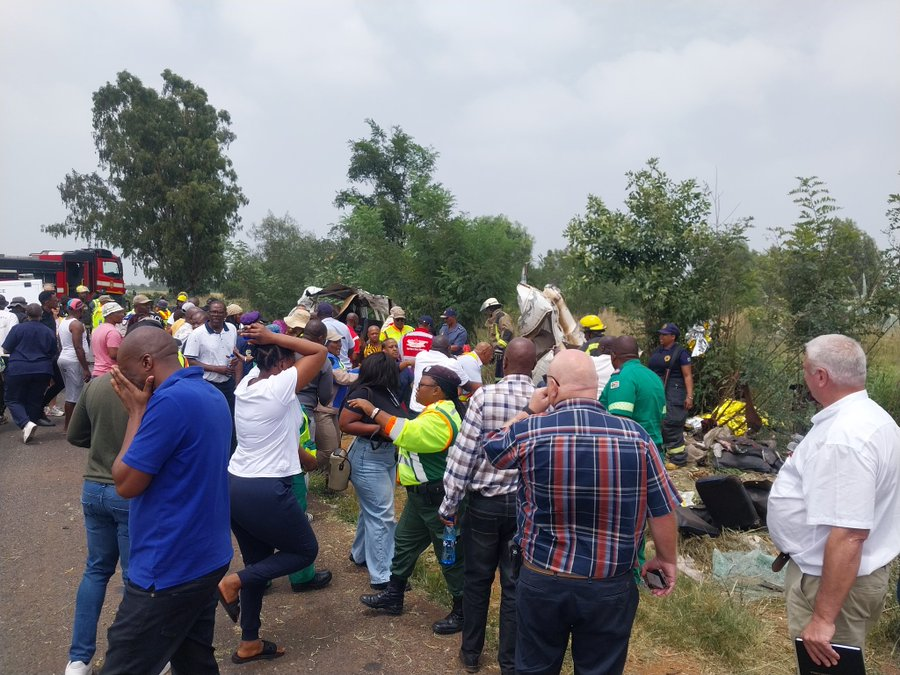
The protesting operators also accused the government of trying to bring buses back onto their routes, which they believe will take away their income and the little they earn. One of the speakers at the march said they feel they are being punished for the accident that killed 14 children in the Vaal back in January. Although they were not directly involved, they say the stricter enforcement that followed the accident is now affecting all scholar transport operators, even those with the needed documents.
The drivers also raised concerns about the process of getting operating permits. They say it is very difficult and it is expensive compared to the money they earn each month. Mpho Mokoena, one of the drivers in the march, said the situation is becoming unbearable.
“It’s about our children being abused in school transport inspections,” Mokoena said. “They want permits, files, licences, and parents’ contracts. Where are we supposed to put all these documents in the car? Our vehicles are being impounded, and we are being arrested for overloading children. How are we supposed to manage all of this?”
The United Scholar Transport organisations organised the march. Organisers were keen to make it clear that it was not just one association, but different groups from all over Gauteng. This was because the issue affects them.
As part of the demands, the scholar transport operators want the government to listen to their concerns. They say the government must find a solution that allows them to continue operating while ensuring child safety.
In other news, scholar transport operators contracted by the Department of Education have been on strike since the beginning of February 2026. The scholar transport providers are saying that the Gauteng Education Department has not paid them for three months.
As a result of this strike, learners have not been going to school, and parents are stressed, as they struggle to arrange alternative transport for their children.
The situation highlights ongoing tensions between government departments and private scholar transport operators, with big implications for learner safety and access to education.
This article was submitted on 20 January 2026. You may republish this article, so long as you credit the authors and Karibu! Online (www.Karibu.org.za), and do not change the text. Please include a link back to the original article.

