
 Download PDF
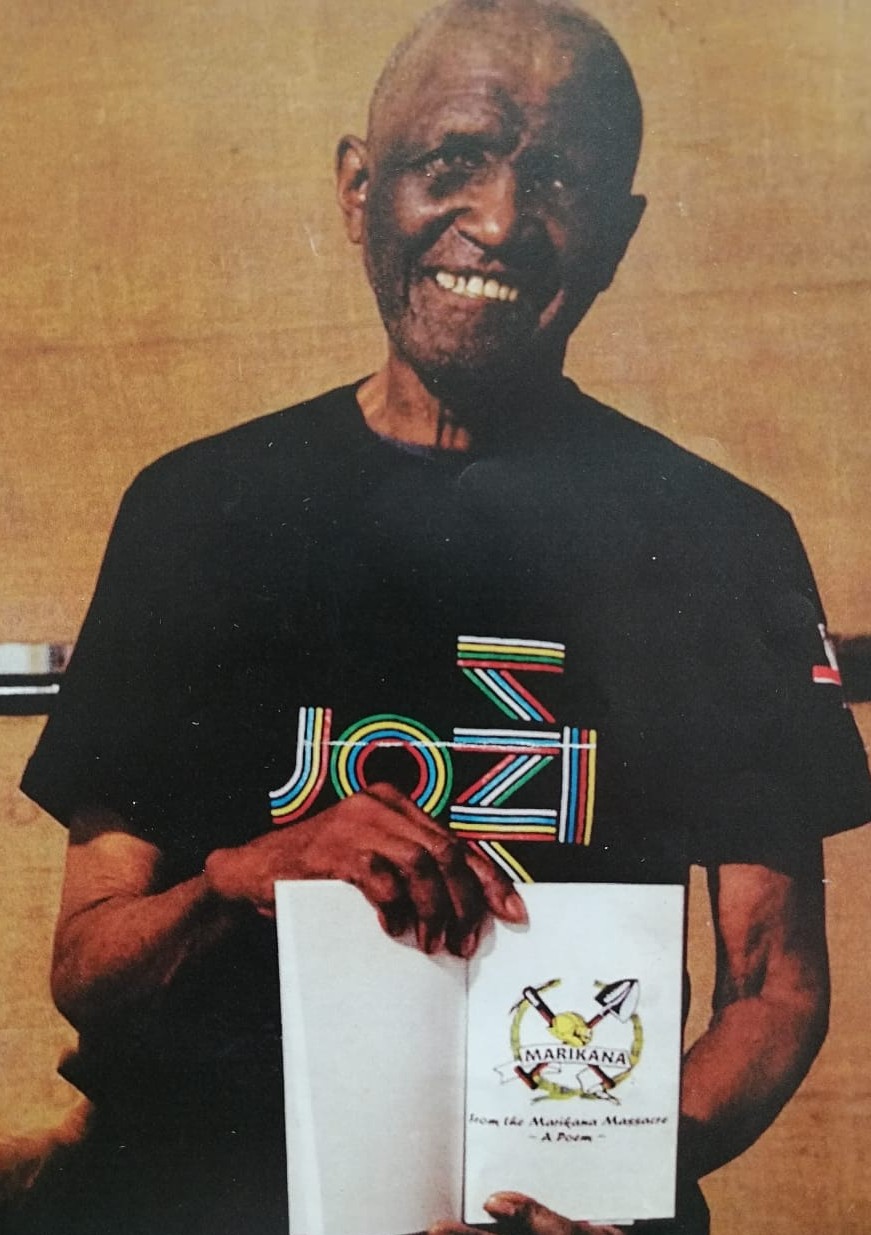
There were endless tributes for Bra Sol Rachilo following his passing on 16 August 2026 at Bheki Mlangeni Hospital in Soweto. Rachilo, who was 94 years old, was a veteran drama playwright, poet, teacher and actor whose life was closely connected to the development of Black theatre and culture in South Africa.
Born in 1929, Rachilo was already active as a performer in the 1950s. He appeared in productions such as ‘No Good Friday’, ‘Sponono’ and ‘Lisenethini’. In No Good Friday, he starred alongside the late, critically acclaimed actor Ken Gampu.
But Rachilo was not only an actor. He was also a writer and journalist. He worked for Drum magazine for 18 months, writing about the cultural and social realities of Black South Africans. He later wrote for Applause, where his article, originally titled Kong, examined the impact of King Kong, the landmark 1959 South African jazz musical, on South African theatre.
King Kong was an all-African jazz musical set in Sophiatown, the famous Johannesburg township that was later destroyed under apartheid’s Group Areas Act, which forcibly removed African residents from the area. The musical presented aspects of life in Sophiatown before the removals, including its music, relationships, crime, poverty, and the growing influence of street gangs.
The production was based on the real-life story of Ezekiel “King Kong” Dlamini, a heavyweight boxer and champion whose life descended into drunkenness, violence, and gang activity. His story became a tragic reflection of some of the social conditions confronting Black working class communities at the time.
King Kong brought together some of the most important cultural figures of the 50s. Todd Matshikiza, who composed the music, covered the tragic events of the killing of Dlamini’s girlfriend (Maria Sithole) in 1957, while performers including Miriam Makeba and Hugh Masekela were associated with the production. Rachilo was also part of this important cultural moment.
For an international audience, King Kong provided a glimpse into the urban Black culture that had developed in Sophiatown during the 1950s. It showcased the music, talent and creativity of its people, while also exposing the difficult realities of poverty, violence, crime and oppression under apartheid.
Rachilo’s contribution to theatre went beyond his performances and writing. In 1977, he founded the Children of Soweto Centre, described as the first drama school founded by a Black South African. Through the centre, he contributed to developing young people’s interest in drama and creating opportunities for Black people in the arts.
His death on 16 August also carries a painful historical significance. The date marks the anniversary of the Marikana massacre, when 34 striking mineworkers were killed by police in 2012 while demanding better wages and working conditions.
There is a striking connection between this history and Rachilo’s final years. Despite the recognition and tributes that followed his death, he had lived his later years as a reclaimer, collecting and recycling materials from his workspace – a less-than-amazing office at the Workers Museum cottages – to make a living. Bra Sol Rachilo often spoke to young people working in and around the Workers Museum Cottages. He frequently asked for recyclable materials at the end of Khanya College cultural events at the venue. The contrast between the tributes paid to him after his death and the conditions in which he lived raises questions about how South Africa remembers its cultural workers while they are still alive.
Even though Bra Solomon Rachilo leaves behind a legacy that stretches across theatre, literature, journalism and education, his work was not properly appraised or transmitted to the latter generations.
Lawrence Simelane, a cultural worker from Page Turner Infotainment, connected to Khanya College and the Jozi Book Fair, told Karibu, “I didn’t know Bra Sol that well personally…. As an artist, I honestly feel like I missed an opportunity to learn from a living library.”
Simelane further stated that, “Sometimes we only recognise the value of people when they are gone. Bra Sol’s story has reminded me of the importance of sitting with our elders, listening to their stories, and learning from their experiences while we still have the opportunity.”
On 25 August 2026, the Market Theatre hosted a memorial for Rachilo. One of the highlights was when Ward 60 Cllr Sihle Nguse spoke about the tragic reality of many artists and Bra Sol’s in particular.
Nguse reminded the memorial service participants that Bra Sol died doing recycling and noted that some were crying “crocodile tears” as they did not contribute to making Rachilo’s life easier. “Directors are not doing enough but will want to speak about the lives we did not save,” he said.
Another aspect raised by Councillor Nguse was that the work of Rachilo was not well preserved or celebrated. Despite his developmental and pioneering contributions to society and art, he had not been honoured in any way. “Not even an honorary doctorate,” noted the councillor. To further make the point, we must realise that Bra Sol’s life connected the cultural struggles of 1950s Sophiatown with the continuing struggles of working class South Africans decades later.
Nguse was also critical of elected officials, saying that public servants only looked after themselves while artists live in abject poverty.
Bra Sol may be gone now, but Nguse still urged the Market Theatre Foundation and the City of Johannesburg to at least rename one of the properties in Newtown after the deceased artist, further noting that Rachilo lived half his life in the area.
This article is an opinion piece submitted on 26 August 2026. The views expressed by the author do not necessarily reflect those of Karibu! Online or Khanya College. You may republish this article, so long as you credit the authors and Karibu! Online (www.Karibu.org.za), and do not change the text. Please include a link back to the original article.

